
The Impact of Social Media on Cosmetic Trends and Consumer Behavior
In today’s digital world, social media is not just a tool for staying connected — it’s a powerful driver of trends, especially in the beauty and cosmetics industry. Platforms like Instagram, TikTok, and YouTube have transformed how consumers discover, evaluate, and purchase beauty products. Let’s explore how social media is influencing cosmetic trends and reshaping consumer behavior.
1. Rise of Influencer Marketing
Influencers have become the face of modern beauty marketing. From celebrity makeup artists to everyday users with loyal followers, influencers showcase product demos, tutorials, and honest reviews that build trust with their audiences. This authentic connection often leads to faster adoption of new products and trends.
Key stat: According to a 2024 beauty market study, 67% of Gen Z consumers said they bought a beauty product based on a recommendation from a social media influencer.
2. Viral Trends Drive Sales
A single viral TikTok video can make an unknown product sell out overnight. Whether it’s a unique lipstick hack, a skincare routine, or a dupe of a high-end product, viral content sparks curiosity and prompts immediate buying behavior.
Example: The popularity of “glass skin” and “clean girl makeup” trends began on social platforms and influenced product lines from major brands.
3. Consumer Reviews & User-Generated Content
Before buying, consumers now check real-life reviews on platforms like YouTube, Reddit, and Instagram. User-generated content provides social proof — real people using real products — which makes it easier to trust the product’s effectiveness.
This transparency is crucial in an industry where results matter, and where trust is everything.
4. Shaping Beauty Standards and Diversity
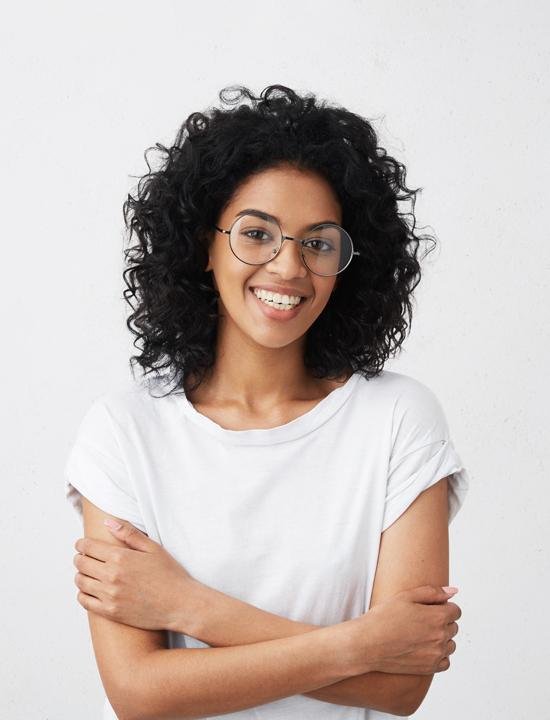
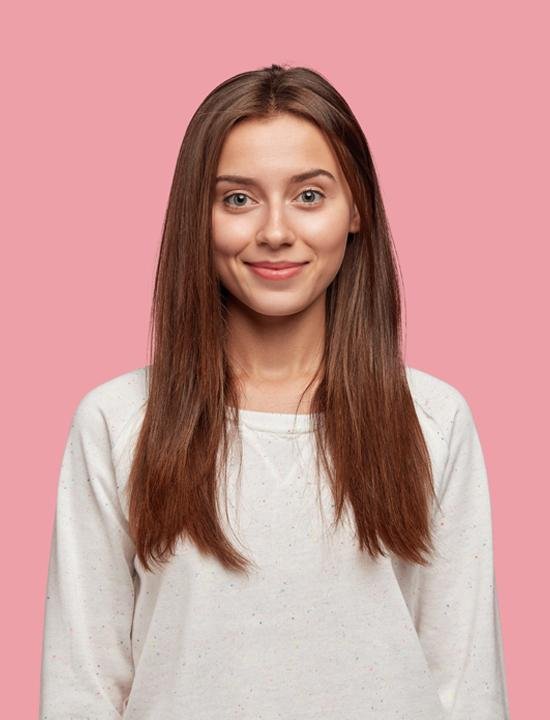
Social media has opened up space for a more inclusive and diverse representation of beauty. More brands are now showcasing all skin tones, genders, and age groups — a shift largely driven by public demand and social conversation online.
This change is not just ethical, but strategic. Brands that embrace diversity tend to see higher loyalty and broader audience engagement.
5. Real-Time Feedback and Trends
Social media offers real-time feedback. If a product doesn’t meet expectations, consumers will talk about it. If it’s amazing, they’ll praise it publicly. Brands use this feedback loop to tweak formulas, packaging, or marketing strategies on the go.
Being agile and listening to customers in real time is becoming the norm, not the exception.
6. From Discovery to Checkout – In One Click
Most social platforms now support direct shopping features. Instagram Shops, TikTok Shop, and YouTube Shopping make it easier for users to buy products as they see them — shortening the traditional buyer journey.
Result: Impulse buying is at an all-time high, especially for beauty and skincare items.
Conclusion
Social media has completely revolutionized how cosmetic trends emerge and how consumers behave. From influencer endorsements to viral hacks and community reviews, today’s beauty consumer is informed, engaged, and influenced by what they see on their screens.
For brands, this means adapting quickly, staying authentic, and truly connecting with their audience. For consumers, it means more choice, more transparency, and a chance to redefine beauty on their own terms.

Leave feedback about this